


Executive Order: Make Emissions Great Again

Overview
Yesterday, the US Administration revoked Obama’s 2009 “endangerment finding”, which classified greenhouse gases as an end threat to public health. This decision eliminates the legal foundation for many federal climate regulations, including emissions standards for vehicles and power plants. News such as this is never nice to hear, but it should not come as a surprise. After all, we all know what the US Administration’s stance is on climate policy.
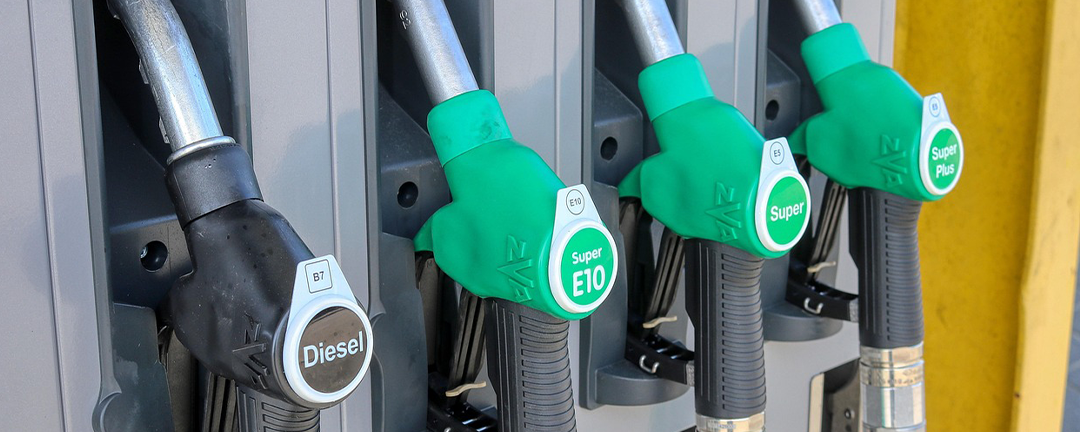
Meeting emissions targets is hard. It is a transition, where societies made dependent on fossil fuels have to volte-face and accelerate in the opposite direction. Doing this is expensive, in time, energy, and money, so when the US Administration says that repealing US climate policy will reduce costs for industry and the US population, they are correct (albeit by how much is open to question, as forcing industry to volte-face back is not coming for free). In the longer term, though, it is going to be expensive, both financially and environmentally, as innovators will be starved of cash to solve problems arising from finding cheaper, cleaner solutions. Finance got us into this mess, and we need finance to get us out of it.
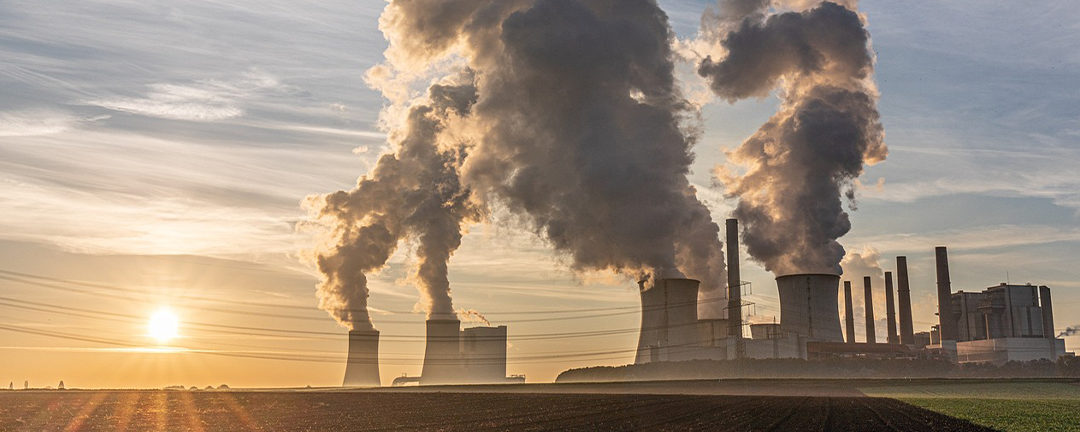
The 2008 financial crisis taught me where climate action ranks in the order of importance of global issues, and in the eyes of the majority it ranks below that of financial security. It always will. Vuelta Carbon was perhaps uniquely transitioned, with team members here, still writing papers on climate science while working in the financial industry, and when the crash happened, we saw the excitement around the enacting of the Kyoto Protocol disappear in a flash; it no longer seemed to matter on a global scale. When folk don’t have money to pay bills, they are not going to give two hoots about global warming, and a government who leads by making the people tighten their belts to help the environment are not going to be popular (unless that policy stops construction companies building on the green belt near their homes).
It is reasonable to assume that if climate policies were bringing cash flows into the US and saving the US consumer money, then the US Administration would be slapping the IPCC on the back and standing up for fighting climate change and pressing home how important it is to follow the science, all to feather one’s own nest.