


Grinding Rocks, Raising Questions: What We Learnt About ERW
Overview
In November, adoring my academic hat, I wandered into the lush interior of The Royal Society, eager to dig deeper into Enhanced Rock Weathering (ERW) -
https://royalsociety.org/science-events-and-lectures/2025/11/rock-weathering/
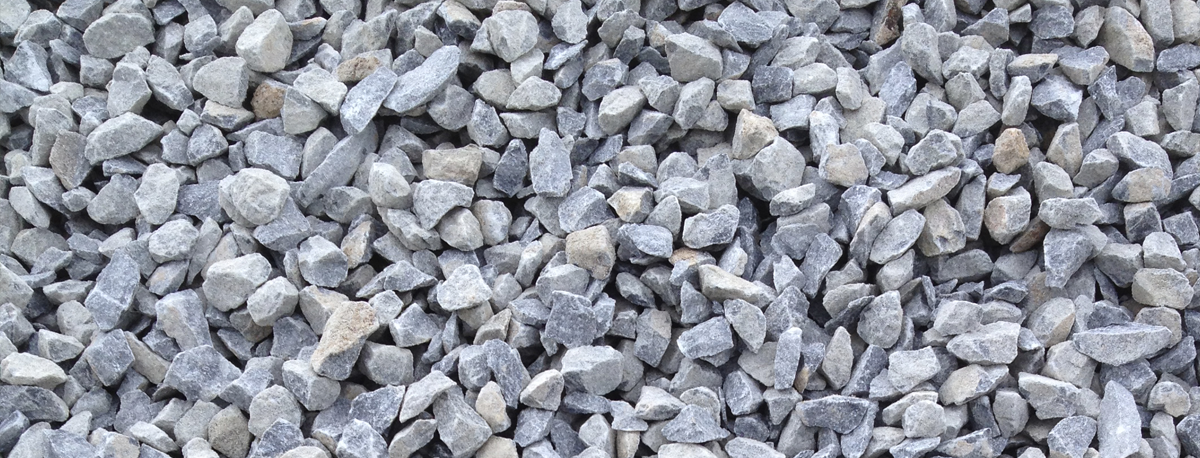
ERW is a method of CO2 removal. Rock weathering is a natural process. CO2 in the atmosphere reacts combines rainwater to form carbonic acid. When this carbonic acid hits volcanic alkaline rocks, they react and create materials such as limestone. This process is part of the carbon cycle and takes millions of years. Given we don’t have millions of years to play with, we cannot rely on it to stop climate change. In steps ERW, creating a dust from silicate rocks like basalt and spreading it over farmland. The idea is that, as the dust has a much larger surface area than typical rocks, the natural weathering will happen much more quickly and will easily and rapidly remove and store CO2 from the atmosphere. The breakdown of basalt has other bonuses too: when it breaks down it releases nutrients into the ground which help crops thrive.
As we regularly speak with farmers in the UK and internationally about ways they can help with CDR, we naturally have a keen interest in ERW. But we had concerns. Does the CO2 in the reactants come from the air or from the soil? What happens to the nutrients, could they get leached in rivers and water supplies and cause negative knock-on effects? At Vuelta Carbon, we try to keep open minds about innovation. We have a science-first approach and want to help scale all solutions to climate change, so I went to the Royal Society to listen and learn from knowledgeable academics and industry professionals on this exciting topic.
Looking around I saw every name badge either has the prefix Dr. or Prof. I knew I was in good company; my brain knew it was going to be doing some heavy lifting today. The day kicked off with an academic showing charts, maps and chemical balances and it soon became clear that this ERW space was at a very, very early stage, with high uncertainties around the concerns we had. Mid-morning, a former academic now working for a private ERW company showed glowing results of his business’s ERW activities in India.
He presented results of crop yield increases and a back-of-the-envelope model to ascertain the amount of carbon captured, while still throwing a heavy warning sign that they have not nailed where all the nutrients have gone, but that they are working on it.
From there on in, my view of ERW as a potential CDR method Vuelta Carbon should advocate went quickly downhill. Academic after academic could see no benefit to crop yields, no matter the crop or location studied, and found no evidence that extra CO2 had been permanently captured. They very worried about leaching, one in particular very concerned that one chemical, which was expected to be in the soil sample, was nowhere to be found. I was terribly disappointed.
I finished my day speaking with a Professor FRS around his poster and he summed it up nicely. ERW is a work in progress. It could work, it might not, it depends on where it is used, on humidity, on temperature, on precipitation, on soil type, and so on. Vuelta’s (perhaps naïve) idea of throwing basalt dust on farms around the world and watching the plants grow had gone out the window, but we still look longingly at it. I think by the time one has studied the soil and surroundings to the degree required, we may as well drop the ER bit and stick to plain old natural Weathering.
As I walked home, I wondered why I had not seen any carbon market professionals at this event. This was very odd ERW is a much talked about methodology in the CDR space. Maybe old-fashioned due diligence is seen as a bit staid in this modern world of AI and on-line technology. I met no one from rating agencies, registries, MRV organisations, nor groups that go out selling ERW carbon credits to corporates. It is no wonder that folk have concerns about the carbon market.